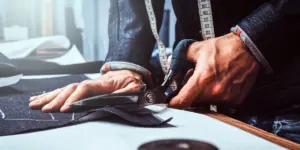

A great suit has the power to transform how you look and, more importantly, how you feel. But here is what most people get wrong: they focus almost entirely on color, brand, or price while completely overlooking the most critical factor of all. A suit that does not complement your natural body shape will never look truly sharp, no matter how expensive it is or how well it is pressed.
The good news is that once you understand your body type and what works for it, knowing how to choose a suit for your body type becomes a much clearer and more confident process. This guide walks you through everything you need to know.
How Body Shape Affects Suit Fit
Before you think about lapel width or fabric weight, it is worth understanding how body shape affects suit fit in practical ways. Your proportions determine how fabric drapes, where seams naturally fall, and which silhouettes create balance across your frame.
A suit jacket that fits a broad-shouldered man will create an entirely different visual result on someone with a lean, narrow build. The chest, waist suppression, shoulder seams, and trouser cut all interact with your unique proportions. When those elements work together with your body shape, the result is a suit that looks intentional and polished. When they work against it, the suit looks off, even if nothing obvious appears wrong.
Choosing the Right Suit for Your Body Shape
Knowing your body type is the foundation of dressing well. Here is a breakdown of suits for different body shapes, along with the specific cuts and features that work best for each.
The Athletic Build
Athletic builds typically feature broad shoulders, a well-defined chest, and a narrower waist. Look for jackets with strong shoulder structure and significant waist suppression. A slim or tailored cut through the chest will follow your natural silhouette without pulling. Avoid boxy cuts, as they add unnecessary bulk.
The Slim or Lean Frame
Slimmer frames benefit from suits that add visual structure. A jacket with some padding in the shoulders creates width, while a double-breasted style adds fabric, giving the chest more presence. Avoid very tight cuts that emphasize a narrow frame rather than balance it.
The Broader or Heavier Build
A single-breasted jacket with a two-button configuration keeps the front panel open and elongated. Avoid peaked lapels that draw the eye outward. Trousers with a slight taper at the hem create a leaner line without being restrictive.
The Tall Frame
Taller men carry most suit styles well, but proportion still matters. Look for styles with a slightly longer jacket body to balance a long torso. Double-breasted suits work beautifully for tall frames, as the structured front complements a longer silhouette.
The Shorter Frame
A single-breasted jacket with a higher button stance elongates the torso. Slim trousers with a minimal break at the ankle keep the leg line clean. Avoid wide lapels and heavy patterns that visually cut your frame in half.
The Rectangle Build
Rectangle builds have shoulders and hips roughly aligned, with a less defined waist. A suit with structured shoulders and strong waist suppression creates shape. A two-button jacket with a fitted chest gives the impression of a more defined silhouette.
We bring over 55 years of tailoring expertise directly to you. With mobile fittings available nationwide and a team that understands every body type, finding your perfect suit has never been easier. Connect with an expert tailor in Wellesley, MA, today to book your personal consultation.
How to Find the Best Suit for Your Body Type
Understanding your body shape is the first step toward finding a suit that looks and feels right. The next step is knowing which design details create the most flattering fit. Looking closely at a few key aspects can considerably enhance your overall appearance and comfort.
Jacket Cut
The cut of the jacket has a major impact on how a suit fits your frame. Slim-fit jackets follow the body’s natural shape, creating a streamlined appearance. Tailored or modern-fit jackets offer a balanced combination of structure and comfort. Classic-fit jackets provide additional room and are often a great choice for broader body types when properly adjusted.
Shoulder Fit
A well-fitted shoulder is one of the most important features of any suit. The shoulder seam should sit directly at the edge of your natural shoulder. If the shoulders are too wide or too narrow, the entire suit can look off-balance. Since shoulder alterations are difficult and expensive, getting this detail right from the beginning is essential.
Chest and Waist Fit
When the jacket is buttoned, it should close smoothly without pulling or causing wrinkles around the buttons. You should be able to slide a closed fist comfortably between your chest and the jacket. A slight taper at the waist helps create a clean, tailored silhouette while still allowing comfortable movement throughout the day.
Trouser Break
The trouser break refers to the amount of fabric that touches your shoes. A full break creates a more traditional and formal appearance and often complements taller frames. A half break offers a versatile look that suits most body types and occasions. A no-break style provides a sharp, contemporary finish and can help create the appearance of longer legs for shorter individuals.
Jacket Length
The length of the jacket should be proportional to your height and body shape. When a jacket is too long, it can reduce the visual length of your legs, whereas a very short jacket may look unbalanced. Ideally, the jacket should cover the seat and create a balanced visual line between the upper and lower body.
Sleeve Length
Proper sleeve length adds polish to your overall look. The jacket sleeve should end just above the wrist bone, leaving a small portion of the shirt cuff visible. This subtle detail creates a refined appearance and demonstrates attention to fit.
A Complete Suit Fit Guide for Men
Think of this suit fit guide for men as your practical checklist before committing to any suit:
| Fit Point | What to Look For |
| Shoulders | The seam sits exactly at the shoulder edge |
| Chest | Closes cleanly without pulling or gaping |
| Waist | Slight suppression for shape, not tight |
| Jacket Length | Covers the seat; half an inch of shirt cuff visible |
| Trousers | Sit flat at the waist with no pulling through the seat |
| Trouser Length | Clean break at the shoe, no excessive stacking |
| Back | Lies flat with no horizontal pulling creases |
When a suit checks each of these boxes, it fits. When it misses even one or two, it pulls the entire look off-balance.
What Most Men Get Wrong When Buying a Suit
Most men try on a suit, decide it looks “pretty good,” and call it done. The issue is that “pretty good” in a fitting room often becomes “clearly wrong” in real-world movement.
Buying too big is the most common mistake. Many men size up for comfort without realizing excess fabric adds bulk rather than ease. A well-fitted suit actually feels more comfortable because the weight of the fabric is properly distributed across your frame.
Ignoring the back is another common error. Horizontal creases across the back mean the jacket is too tight. Diagonal folds that pull toward the collar indicate the shoulders are too wide. These are difficult to fix with standard alterations, so evaluating back fit carefully before purchase is always worth the time.
Frequently Asked Questions
How do you know what style suits your body type?
Focus on balance and proportion. Broader frames benefit from a tapered, structured cut, while slimmer frames gain from jackets that add visual width through the chest. The most reliable way to determine what works for your body is to consult a professional tailor who evaluates your proportions in person.
What is the 5 suit rule?
The 5 suit rule is a wardrobe strategy built around owning five essential suits: a classic navy, a charcoal gray, a medium gray, a lighter tone for warm settings, and a dark formal suit. Five well-chosen, well-fitted suits can cover virtually every professional and social occasion.
What is the 3-button suit rule?
The rule is simple: sometimes, always, never. The top button may be left undone, while the middle button should always be fastened when standing, and the bottom button should never be fastened. This principle keeps the jacket’s drape clean and the silhouette natural.
What is the rarest body type?
The hourglass shape, in which the shoulders and hips are closely aligned with a noticeably narrower waist, is widely considered the rarest. It is also one of the hardest to dress with off-the-rack clothing, making custom tailoring a particularly strong choice for this body type.
Is a 32-inch waist considered slim?
A 32-inch waist is generally considered slim to average, depending on height and build. In tailoring terms, what matters more than the number is proportion. A 32-inch waist on a shorter frame reads differently than on a taller one. A skilled tailor uses your full set of measurements, not just your waist, to build a suit that flatters your actual proportions.
Conclusion
Knowing how to choose a suit for your body type comes down to one thing: understanding your frame and dressing for it with intention. Every build has strengths, and the right suit is the one that works with those strengths. When the cut, shoulder, chest, and trouser fit all align with your natural proportions, the result speaks for itself. You do not have to think about your suit; you just wear it well. Take the time to understand your shape, and invest in a suit built with your body in mind.
Discover handcrafted suits, made-to-measure coats, and a full range of custom garments at our website. Schedule your consultation today.