
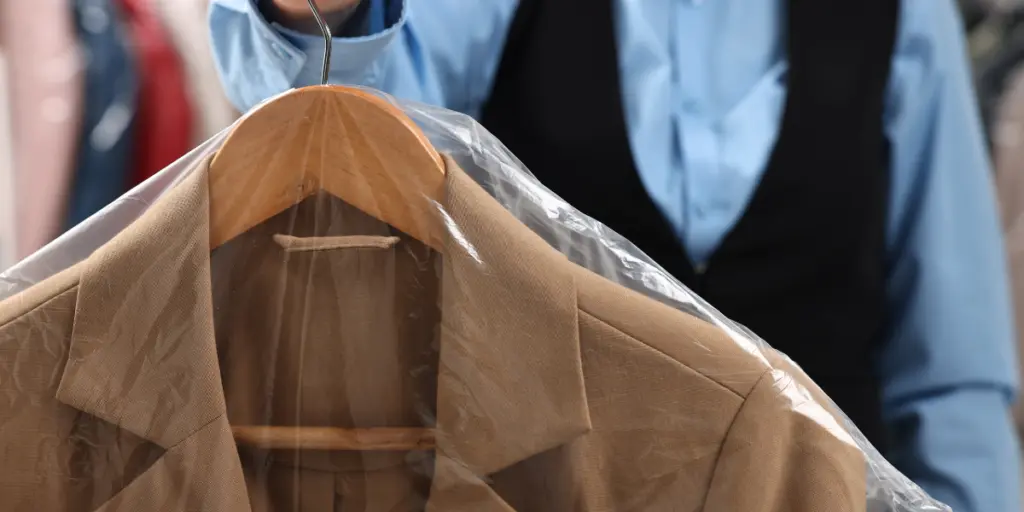
A suit can survive spilled coffee, cramped flights, and a decade of wear, yet the wrong trip to the cleaner can undo years of careful tailoring in a single visit. Heat, harsh pressing, and rushed handling wear down fibers faster than ordinary wear ever could. Most men hand over their suit without asking a single question about the process, trusting a label that tells only half the story.
Understanding how to dry clean a suit without damaging it starts with knowing what actually happens behind the counter, not just how often you drop it off. This guide covers the warning signs, the right cleaning habits, and what the fabric can genuinely withstand.
How Often Should You Dry Clean a Suit?
How often a suit needs cleaning depends on more than habit, and a few honest questions about how you wear it will point you toward the right schedule.
Daily Office Wear
A suit worn five days a week picks up sweat, skin oils, and dust far faster than an occasional one. Cleaning every three to four wears keeps the fabric fresh without exposing it to solvents too often. Brushing it down each evening also stretches the gap between proper cleans.
Occasional Event Wear
A suit kept for weddings, interviews, or the odd formal dinner rarely needs cleaning more than once or twice a year. Frequent solvent exposure on a suit that barely leaves the closet does more harm than good. A quick steam before wearing usually takes care of any mustiness.
Wool Suits Versus Synthetic Blends
Wool naturally resists odor and wrinkles so that it can go several wears longer between cleans than a polyester blend. Synthetic fabrics hold onto smells and creases more stubbornly, which pushes the cleaning schedule closer together. Checking the fabric composition on the label helps set realistic expectations.
Visible Stains and Spills
A fresh stain left untreated sets into the fibers and becomes far harder to remove later. Food, wine, and makeup marks are best taken to a cleaner promptly rather than left for the next scheduled visit. Spot treatment at home can sometimes make the mark worse, so professional handling is safer.
Noticeable Odor After Wear
A suit that smells of sweat or smoke after one wear needs attention sooner than the usual schedule suggests. Airing it out on a proper hanger for a day or two usually clears mild odor without a full clean. Persistent smells that don’t fade with airing are a clearer sign it’s time.
Humid or Dusty Environments
A suit worn during a humid commute or on a dusty worksite picks up moisture and grime that plain indoor wear never does. These conditions considerably shorten the gap between cleans, sometimes by half. Checking the underarms and collar for residue after each wear gives a useful clue.
Suits with Delicate Linings or Trims
Suits with silk linings, structured shoulders, or decorative trims need a gentler, less frequent cleaning routine than plain wool suits. Repeated solvent exposure can loosen stitching around these details faster than the fabric itself wears. A specialist cleaner familiar with tailored garments is worth seeking out for these pieces.
How to Dry Clean a Suit Without Damaging It?
The cleaning process matters as much as how often you visit, and a few simple habits help protect the suit long after it leaves the shop.
- Check the care label first. It tells you the fabric blend and handling instructions before a cleaner touches it. A quick photo makes it easy to reference later.
- Point out stains before cleaning. A quick word about what caused a mark helps the cleaner treat oil, wine, or ink correctly. Unidentified stains can get the wrong treatment and set permanently.
- Ask for steam over heavy pressing. Excessive heat flattens fibers and can leave a shine on wool. Steam finishing keeps the texture intact and stops seams from going brittle.
- Choose a cleaner who understands tailoring. They’ll treat canvassing, padding, and linings with more care than a general laundromat, especially on hand-finished details or delicate trims.
- Space out cleaning visits. Space out cleaning visits. Rest between cleans protects the fabric’s structure and color. Suits cleaned only when needed hold up better than ones sent in on a rigid schedule.
- Store it properly afterwards. A plastic cleaning bag traps moisture and the smell of solvent. Hang the suit on a properly shaped hanger so it can breathe.
When Should You Dry Clean a Suit?
A visible stain, a persistent smell, or an upcoming formal event is a clear enough reason to book a cleaning appointment. Waiting for a fixed number of wears works fine as a general guide, but it shouldn’t override what your eyes and nose are already telling you.
Before any big event, book the appointment with enough lead time for the suit to be pressed and aired, and to be ready well ahead of the date. A last-minute clean rushed through a busy shop rarely gets the same care as one booked with room to spare.
Big events rarely wait for a suit to catch up. We offer luxury tuxedo rental services, along with expert alteration and care advice, so you’re never left scrambling before an important date. Book ahead and walk in with the fit and finish already sorted!
Does Dry Cleaning Damage Suits?
If done properly and not too often, the answer is generally no. Problems usually come from excessive heat and repeated dry cleaning far more than the fabric actually needs. A study found that repeated dry cleaning made fabrics thicker and stiffer while increasing their water absorbency and reducing their tearing strength and abrasion resistance. Together, these findings support spacing out cleaning visits and cleaning only when the suit genuinely needs it.
Should You Dry Clean Every Suit?
Fabric type plays the biggest role in how a suit should be cleaned, and a quick reference makes the differences easier to remember.
| Fabric | Cleaning Frequency | Best Method |
| Wool | Every 4 to 6 wears | Professional dry clean |
| Wool blend | Every 3 to 4 wears | Professional dry clean |
| Silk | Every 2 to 3 wears | Professional dry clean |
| Linen | Every 4 to 5 wears | Gentle dry clean or steam |
| Cotton | Every 1 to 2 wears | Professional dry clean |
| Cotton-poly blend | Every 2 to 4 wears | Dry clean or spot clean |
| Cashmere | Every 4 to 6 wears | Dry clean or spot clean |
| Silk-lined jacket | As needed; spot clean preferred | Specialist cleaner only |
Frequently Asked Questions
How often should you dry clean a suit?
Most suits worn regularly do well with cleaning every three to four wears. Suits worn only for occasions can go a full year between cleans without trouble.
Can steaming replace a full dry clean?
A steamer freshens wrinkles and lifts light odors well between full cleans. It does not remove embedded stains or oils, so an occasional proper clean is still necessary.
When should you dry clean a suit?
Clean it when there’s a visible stain, a smell that doesn’t fade with airing, or an upcoming event, not just on a fixed schedule. Book ahead of big events so there’s time for a proper press.
What happens if a suit is dry cleaned too often?
Frequent cleaning can leave fabric feeling stiffer and looking duller over time. It can also weaken fibers and shorten the suit’s working life.
Can you remove a stain from a suit at home?
Small marks can sometimes be blotted gently with a clean cloth and cold water. Anything beyond a light mark is safer left to a professional cleaner.
Conclusion
A suit rarely wears out from hours on your back. Careless handling at the cleaner wears it out instead: too much heat, too much solvent, too little care between visits. Asking a few questions before drop-off and spacing out your visits protects the fabric far more than any single habit at home. You should dry-clean every suit differently, since fabric and wear patterns matter more than a fixed rule. Choose carefully, and a good suit will outlast the trend that made you buy it.
That kind of longevity is exactly what we deliver. As one of the best tailors in Wellesley, MA, we offer expert dry cleaning services so you don’t have to worry about the care, cleaning, and upkeep your finest garments need. Visit us today!